
Interpretation of "Sterilizing Filtration Technology and Application Guidelines" and Analysis of Sterile Filter Selection
In order to standardize and guide the application of sterilizing filtration technology in the production of sterile pharmaceuticals, ensuring the safety, efficacy, and quality stability of pharmaceuticals, the National Medical Products Administration has organized the formulation of the "Sterilizing Filtration Technology and Application Guidelines" (hereinafter referred to as the "Guidelines"), which have been implemented since October 1, 2018.
The "Guidelines" are drafted based on the current level of cognition and technology, aiming to provide a comprehensive framework to assist personnel in pharmaceutical manufacturing enterprises, engineering design, equipment manufacturing, and pharmaceutical regulatory units in selecting, designing, validating, and using sterilizing filtration systems in the production of sterile pharmaceuticals. This article will provide a detailed interpretation of the content of the "Guidelines" and analyze the principles of selecting sterilizing filters according to its requirements.
Interpretation of the Guidelines
1. Overview of Sterilizing Filtration Technology
Sterilizing filtration technology refers to the process of removing microorganisms from liquids or gases by physical retention to meet the quality requirements of sterile pharmaceuticals. This process mainly relies on the use of sterilizing-grade filters, with pore sizes typically at 0.22 microns or smaller, to retain microorganisms including bacteria and mycoplasmas.
2. Filtration Process and System Design
When designing the filtration process, it is necessary to select the appropriate filter based on the properties of the medium to be filtered and the purpose of the process, and to determine the process parameters. For example, filters with a pore size of 0.1 microns are commonly used for mycoplasma removal, while 0.22 micron filters are used for sterilizing filtration. In addition, the design of the filtration system must also consider the following factors:
● Filter Selection: When selecting filters, their compatibility with the medium to be filtered should be fully examined to avoid adverse effects on product quality.
● Filtration Membrane Area: The appropriate filtration membrane area needs to be scientifically assessed; too large may lead to decreased product yield and increased costs, while too small may prolong filtration time, cause blockages, or even product scrap.
● System Structure: Attention should be paid to avoiding dead ends to ensure the rationality of the filtration system structure.
● Process Parameters: Determine filtration temperature range, maximum filtration time, filtration flow rate, sterilization conditions, and other parameters according to actual process requirements.
3. Sterilizing Filtration Validation
Sterilizing filtration validation includes two parts: performance confirmation of the sterilizing filter itself and validation of the filtration process. Performance confirmation mainly focuses on the microbial retention capacity of the filter, while process validation is conducted in conjunction with specific media to be filtered and process conditions, including bacterial retention tests, chemical compatibility tests, etc.
4. Integrity Testing
After the use of sterilizing filters, their integrity must be tested and recorded immediately. Before use, integrity testing should be determined through risk assessment, deciding whether to test the integrity of the primary filter or both primary and secondary filters, and determining whether to perform the test before or after filter sterilization.
Selection of Sterilizing Filters
According to the requirements of the "Guidelines", when selecting sterilizing filters, multiple factors need to be considered to ensure the effectiveness and safety of the filters.
1. Filtration Material and Compatibility
When selecting filters, it is important to ensure good compatibility between the filtration material and the components being filtered. The filtration material must not adversely affect product quality due to reactions with the product, release of substances, or adsorption. Common filtration materials include polyethersulfone (PES), cellulose acetate (CA), and polyvinylidene fluoride (PVDF), etc.
● Polyethersulfone (PES): Low protein adsorption rate, fast flow rate, suitable for mycoplasma protection and sterile filtration.
● Cellulose Acetate (CA): Suitable for filtering various solutions, with good flux and flow rate.
● Polyvinylidene Fluoride (PVDF): Suitable for high-flux filtration, strong chemical stability.
When selecting, the most suitable filtration material should be chosen based on the characteristics of the medium to be filtered and the process requirements.
2. Integrity Detection
The integrity detection of sterilizing filters is a key step to ensure their effectiveness. Common integrity detection methods include bubble point tests and single pass tests. These tests can detect the integrity of the filter, ensuring that it does not leak during use.
When selecting filters, filters that can undergo accurate integrity testing should be prioritized, and integrity testing should be conducted regularly to ensure continuous effectiveness.
3. Sterilization and Microbial Retention Capacity
Sterilizing filters must be able to withstand steam sterilization at 121°C and pass microbial retention tests. Sterilized filters should ensure sterility to avoid contaminating downstream systems.
When validating the microbial retention capacity of filters, Pseudomonas with defects is commonly used as a standard challenge microorganism because of its moderate size, which can represent the smallest microorganisms found in products and production processes. If Pseudomonas with defects cannot represent the worst conditions, other sufficiently small bacteria should be chosen for challenge tests.
4. Filter Type and Pore Size
Based on the characteristics of the medium to be filtered and process requirements, select the appropriate filter type and pore size. For example, 0.1 micron filters are usually used for mycoplasma removal, while 0.22 micron filters are used for sterilizing filtration.
When selecting filters, the usage scenario and convenience should also be considered. Disposable filters are usually provided in pre-sterilized packaging, which is convenient and suitable for use in the production of sterile pharmaceuticals.
5. Certification and Test Reports
When selecting sterilizing filters, their certifications and test reports should be reviewed to ensure that the equipment complies with relevant biosafety standards. For example, the United States Pharmacopeia (USP) and European Pharmacopeia (EP) have clear requirements for the performance and safety of filters.
In addition, the interface compatibility of the filter should also be considered to ensure compatibility with existing equipment and process systems. For example, the GL45 interface is suitable for routine laboratory receiving containers, ensuring convenience and safety during use.
6. Filter Supplier Management
Pharmaceutical manufacturing enterprises should conduct strict review and management when selecting suppliers of sterilizing filters. This includes reviewing the validation documents and quality certificates provided by the supplier to ensure that the filters provided are sterilizing-grade filters. At the same time, quality agreements and product change control agreements should be signed with the supplier to ensure the quality and stability of the filters.
During the production process, if filters from different manufacturers or filters of different materials or film-making processes from the same manufacturer are used, they should be validated and tested separately to ensure they meet process requirements.
Bitoo Biotech - Make Filtration More Professional
Bitoo Biotech is an innovative enterprise focusing on the development and production of filtration materials, co-founded by material scientists and process experts in the biopharmaceutical industry. We not only supply high-quality products but also provide comprehensive technical support and services to help customers solve production problems and optimize process flows.
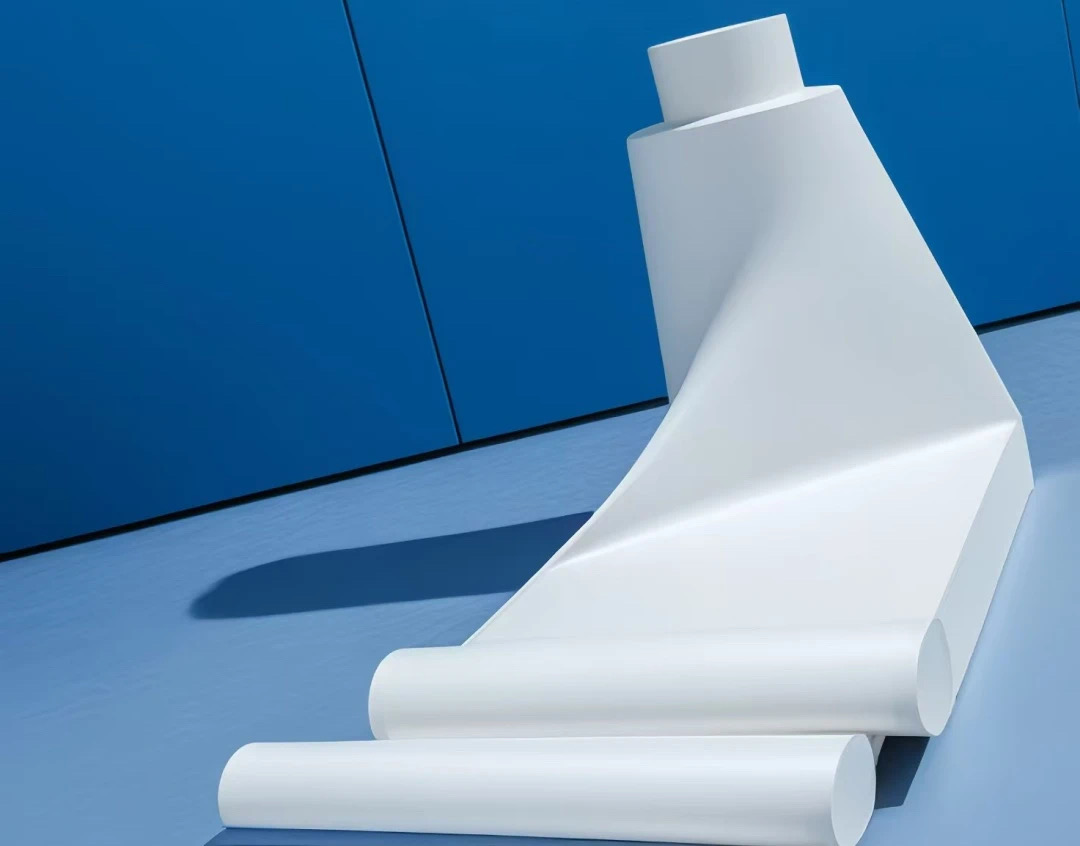
Fig.1 Sterilizing Filter Membrane by Bitoo Developing Independently
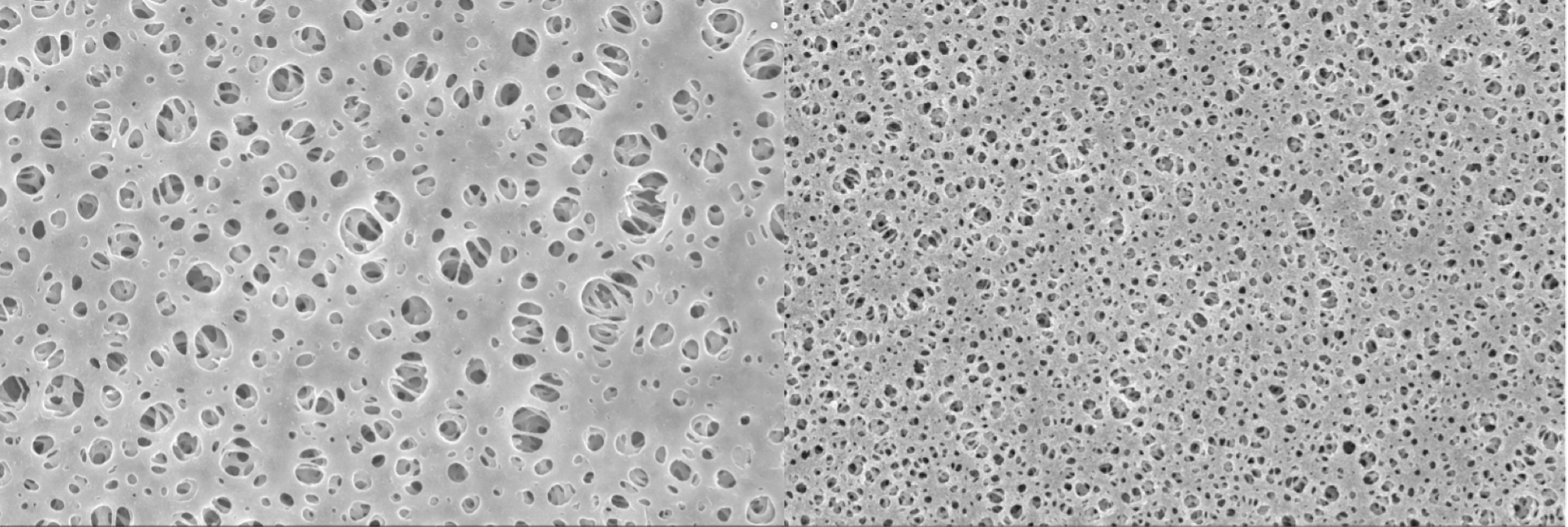
Fig.2 Electron Microscope Image of Sterilizing Filter Membrane
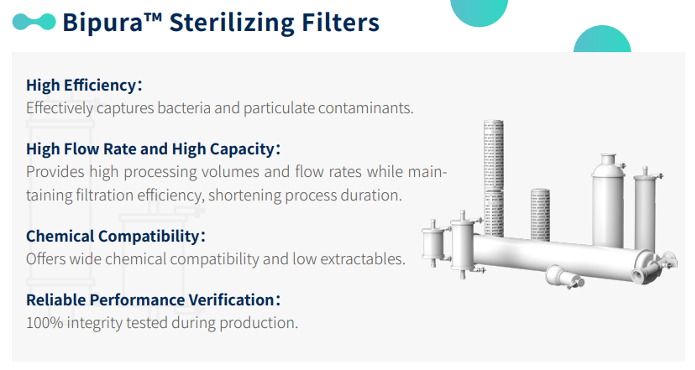
The Bipura™ series of pre-filters and sterilizing-grade filters are made from asymmetric PES membrane materials. This series of filters, due to their unique asymmetric membrane pore design, offers high flow rate, high load capacity, and low protein adsorption while ensuring filtration effectiveness. They are applied in processes such as culture medium pre-filtration, sterilizing filtration, buffer sterilizing filtration, product sterilizing filtration, and bioburden control, committed to providing customers with excellent filtration solutions.
0.94437177589271641775015480506
Related News
Interpretation of "Sterilizing Filtration Technology and Application Guidelines" and Analysis of Sterile Filter Selection
2026-03-04
Welcome to Bitoo Biotech, let's embark on this innovative journey of "membrane" technology together
2026-03-04